The pattern
The path to adoption
Across 110 cases the route varied, but the steps repeated: a quiet build, a launch through one of three on-ramps, a breakout amplifier, then the same highway of getting embedded into a bigger tool, and a steady cadence after that. Each step below is shown with a real example, and together they make the case for the plan that follows.
An unknown repo, no audience, no budget
The starting point for every project in this study. None of them paid for distribution.
Build quietly first
Ship a working repo weeks or months before announcing, so the launch points at something people can install and use in one command.
Why it matters: these launches pointed at working software people could run immediately, which is what turns launch-day attention into installs.
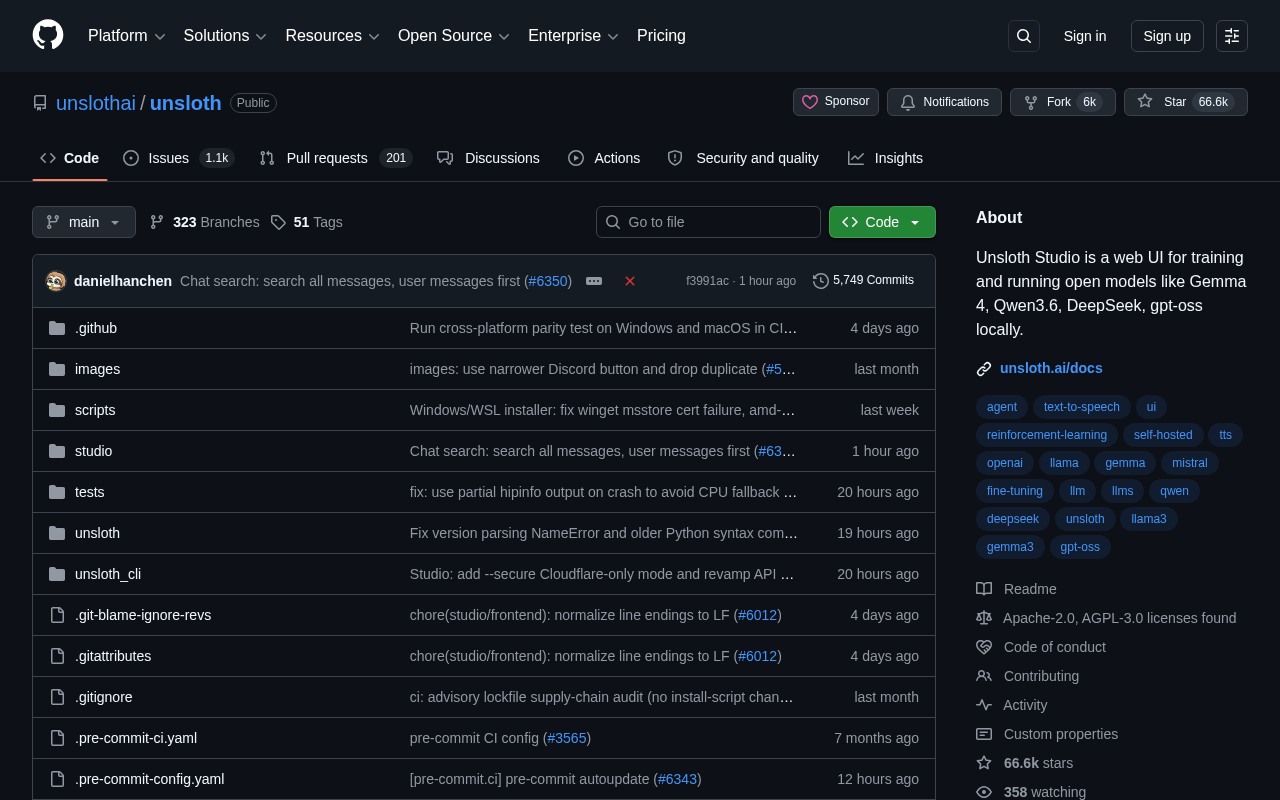
The first announcement
There was no single launch move. These projects went public in three main ways. Pick the on-ramp that fits your situation, or run more than one, since they are not exclusive.

B · Founder demo on X
A short, striking demo from the founder's own account. Works when the founder already has reach, or the demo is strong enough to spread on its own.
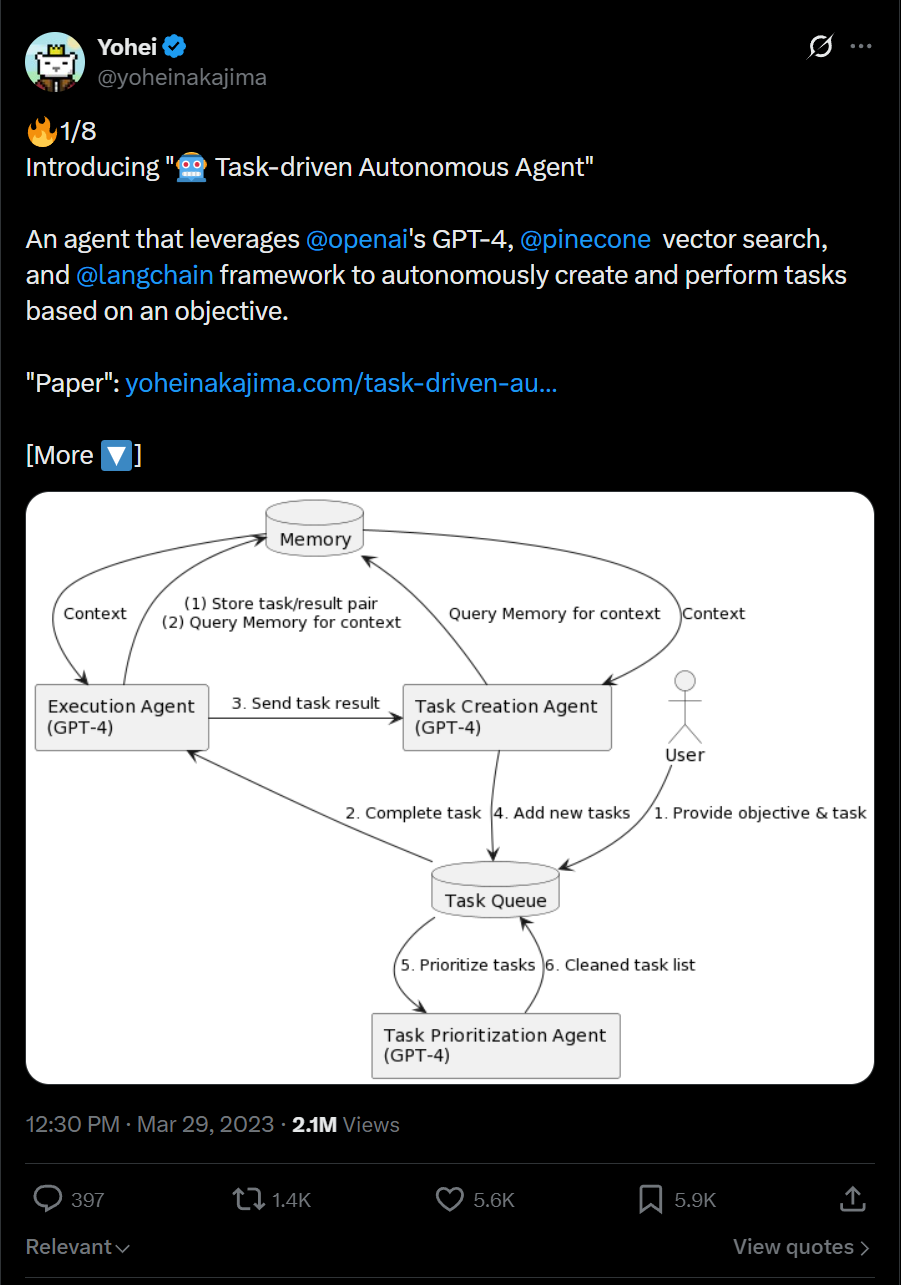
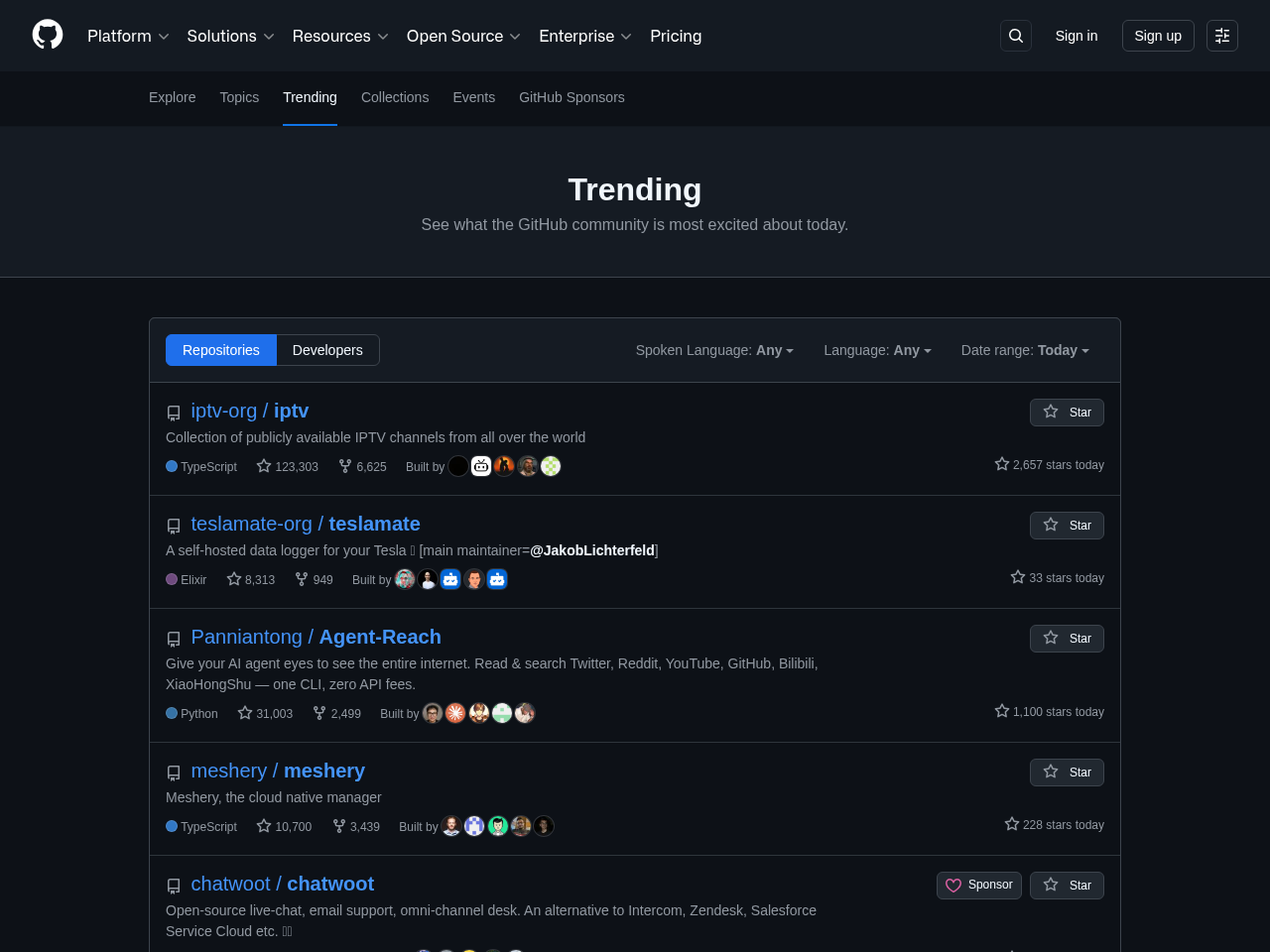
The takeaway: the on-ramps differ by founder and asset. The path after them is the same for all three.
Earn the breakout amplifier
For projects that did not take off immediately, one event usually tipped them from posted to widely seen. It took a few forms. Real examples:
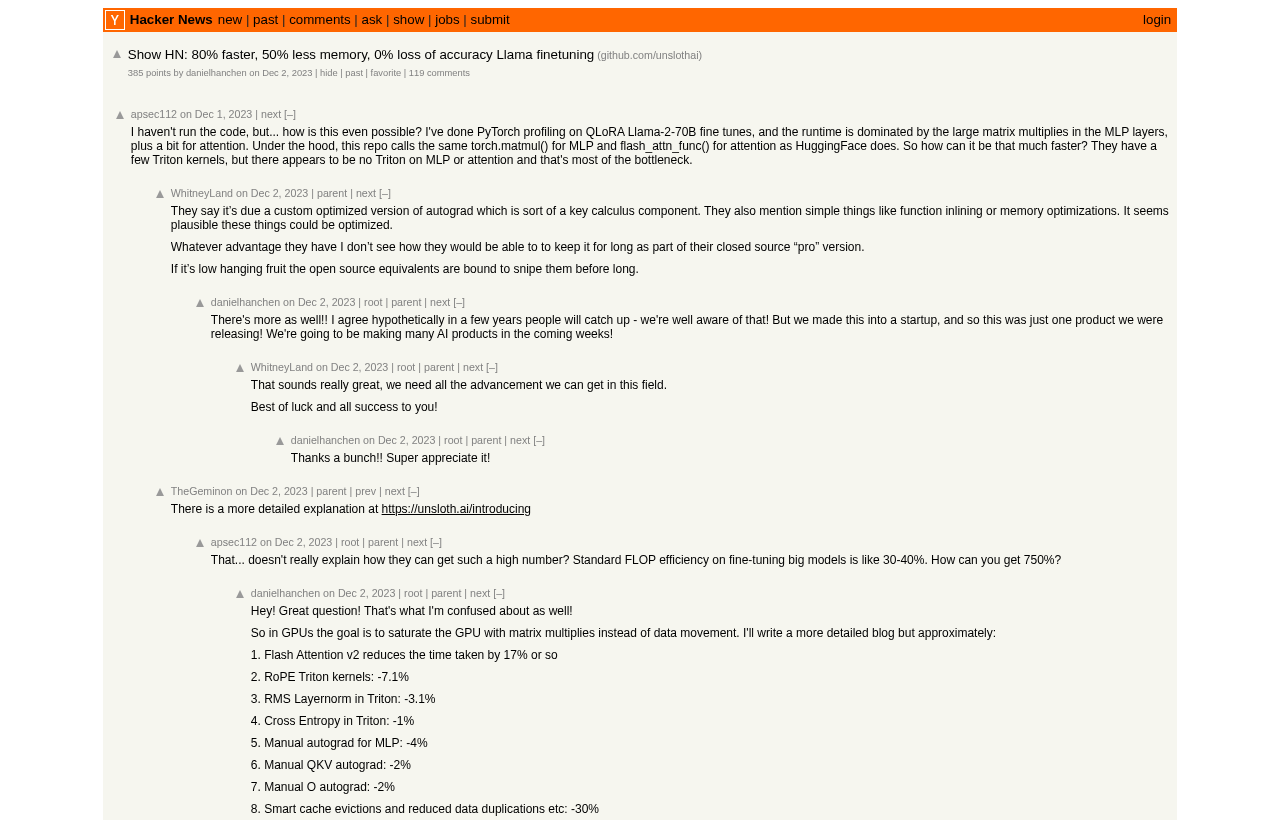
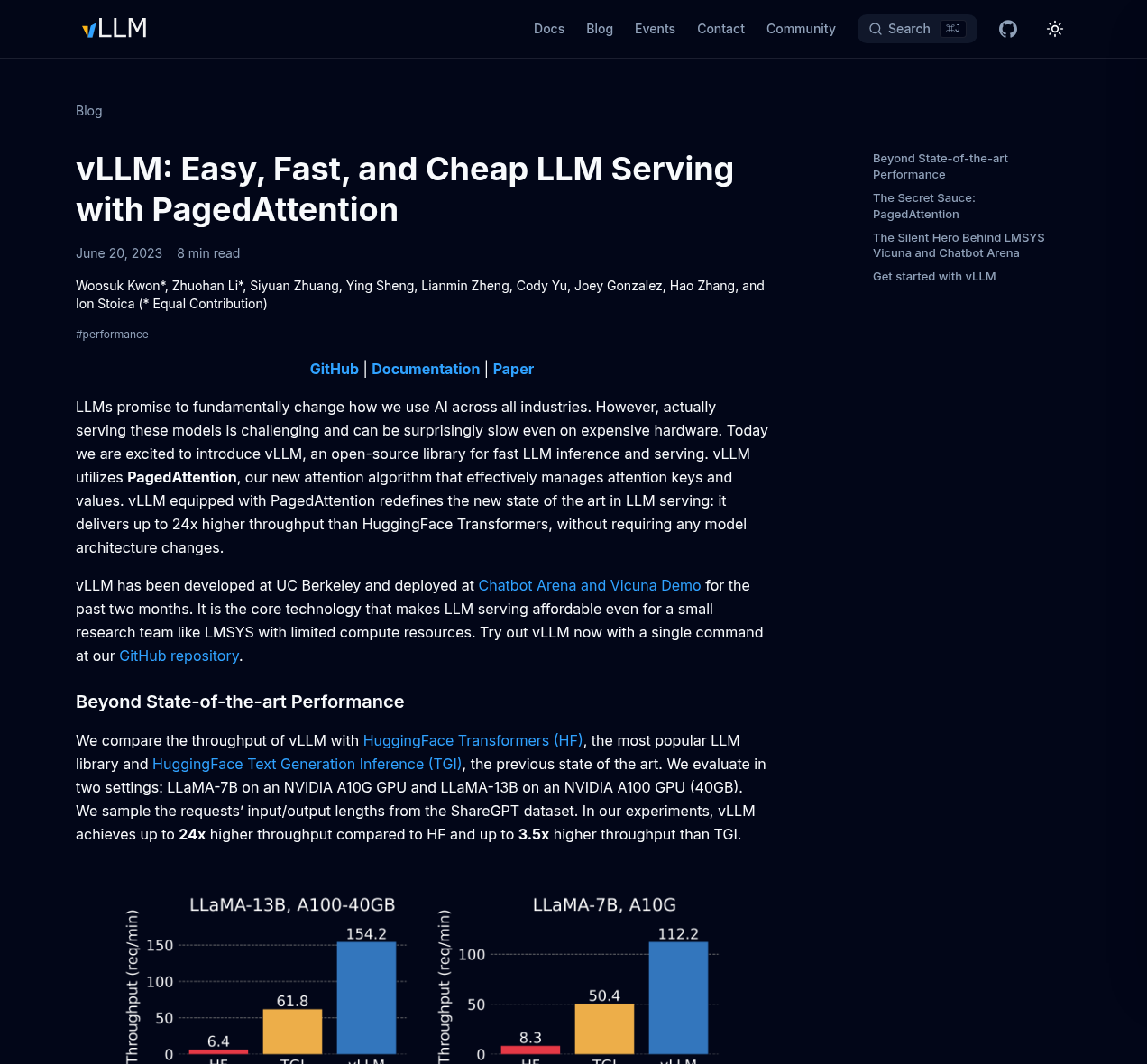
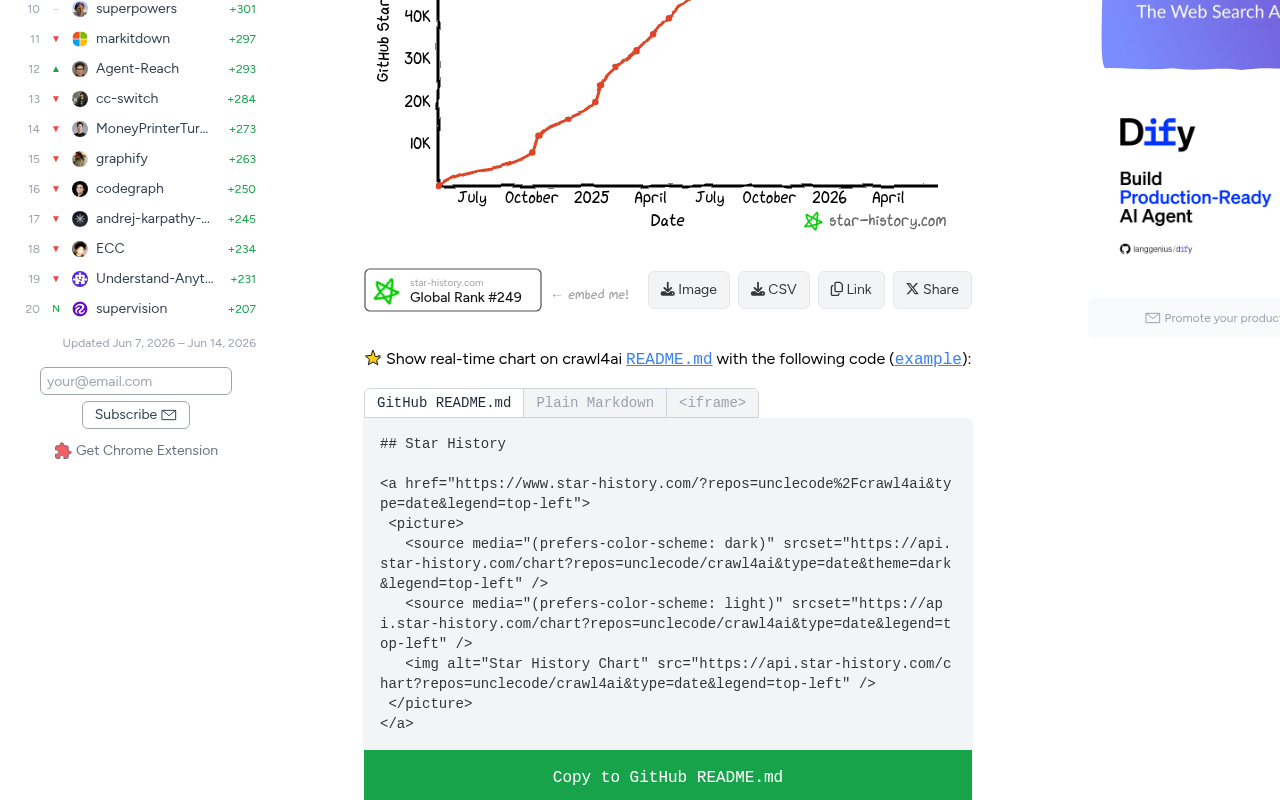
The caveat: you cannot control whether someone with reach shares you. You can control having a result worth sharing when they look.
Get embeddedbiggest single breakout · 26%
The three on-ramps converge here. Become a default option inside a tool developers already use, so you inherit its userbase: a one-line model in Ollama, an OpenAI-API-compatible endpoint, a provider in LangChain or LlamaIndex, a model on the Hugging Face Hub. Real instances of a bigger project carrying a smaller one:
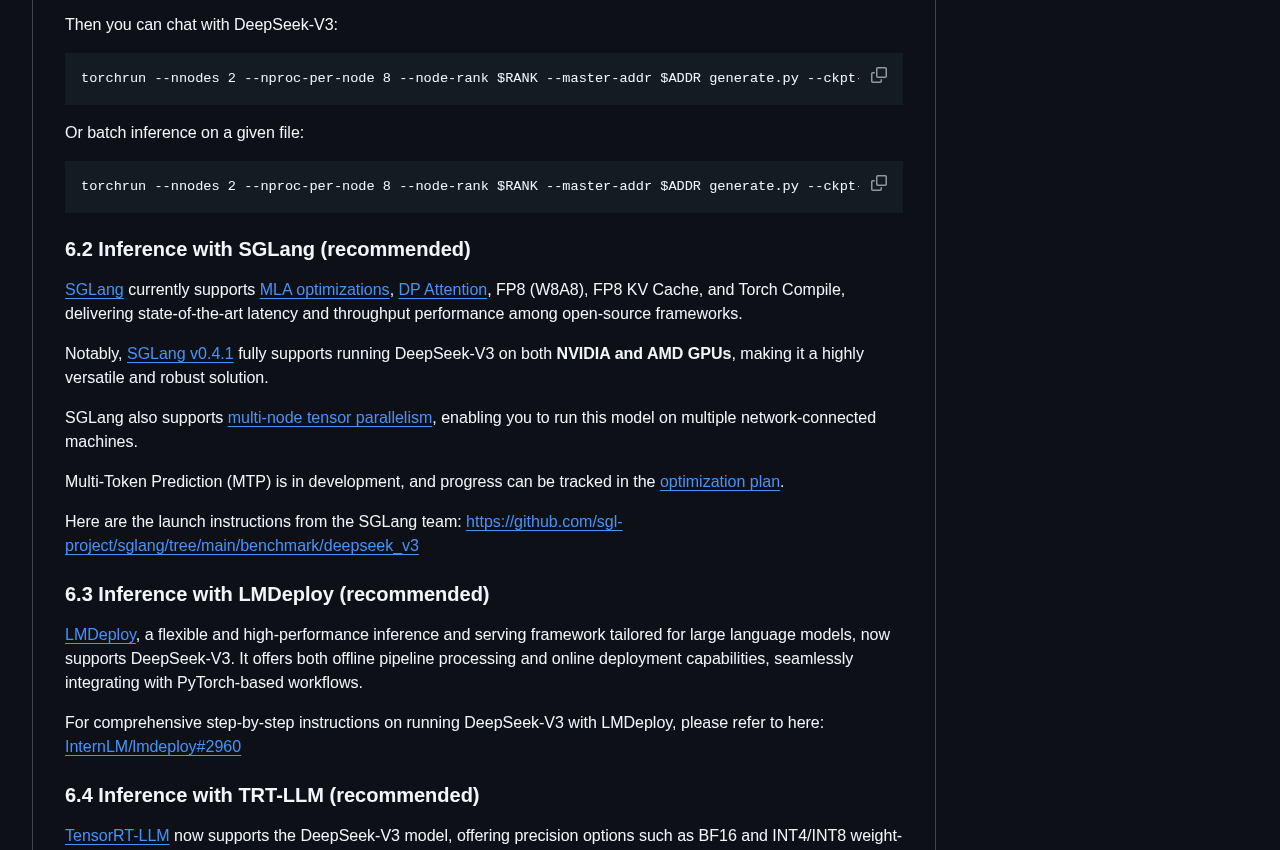
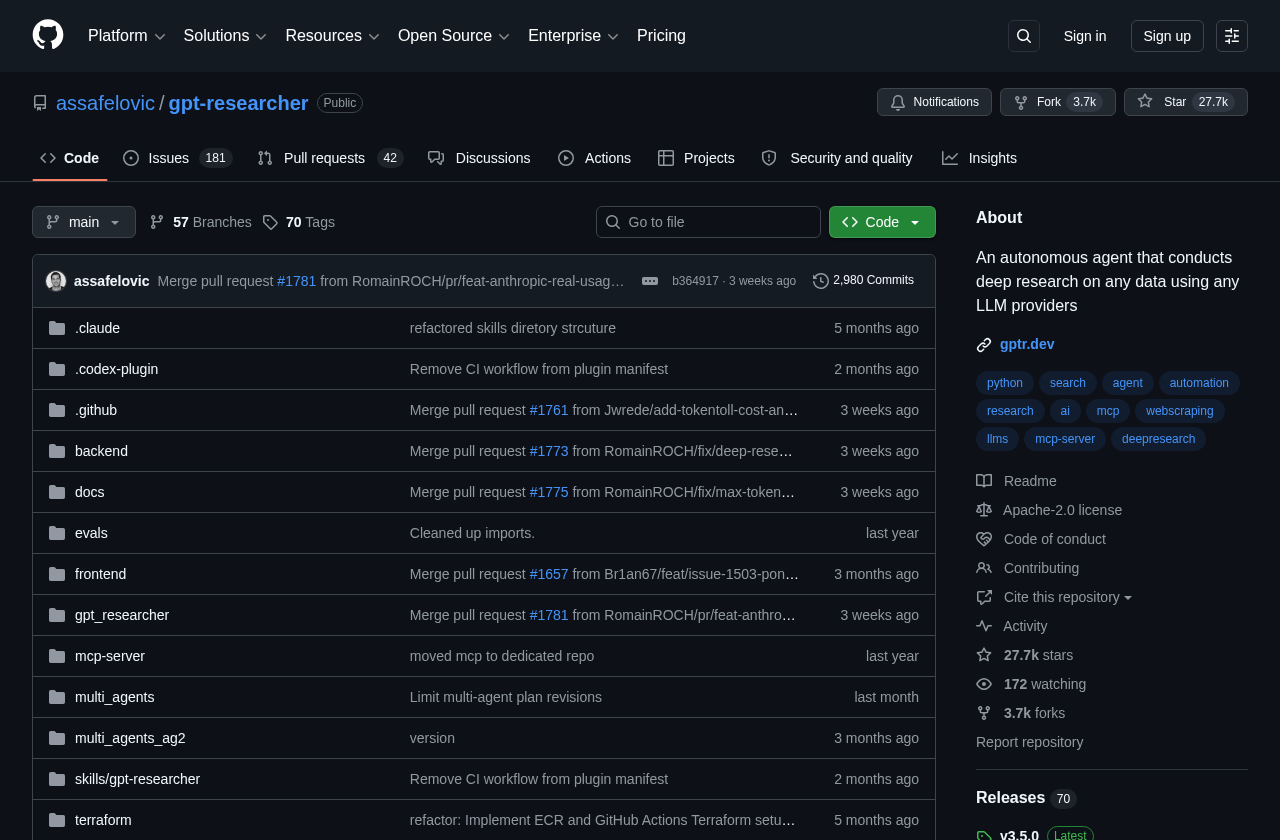
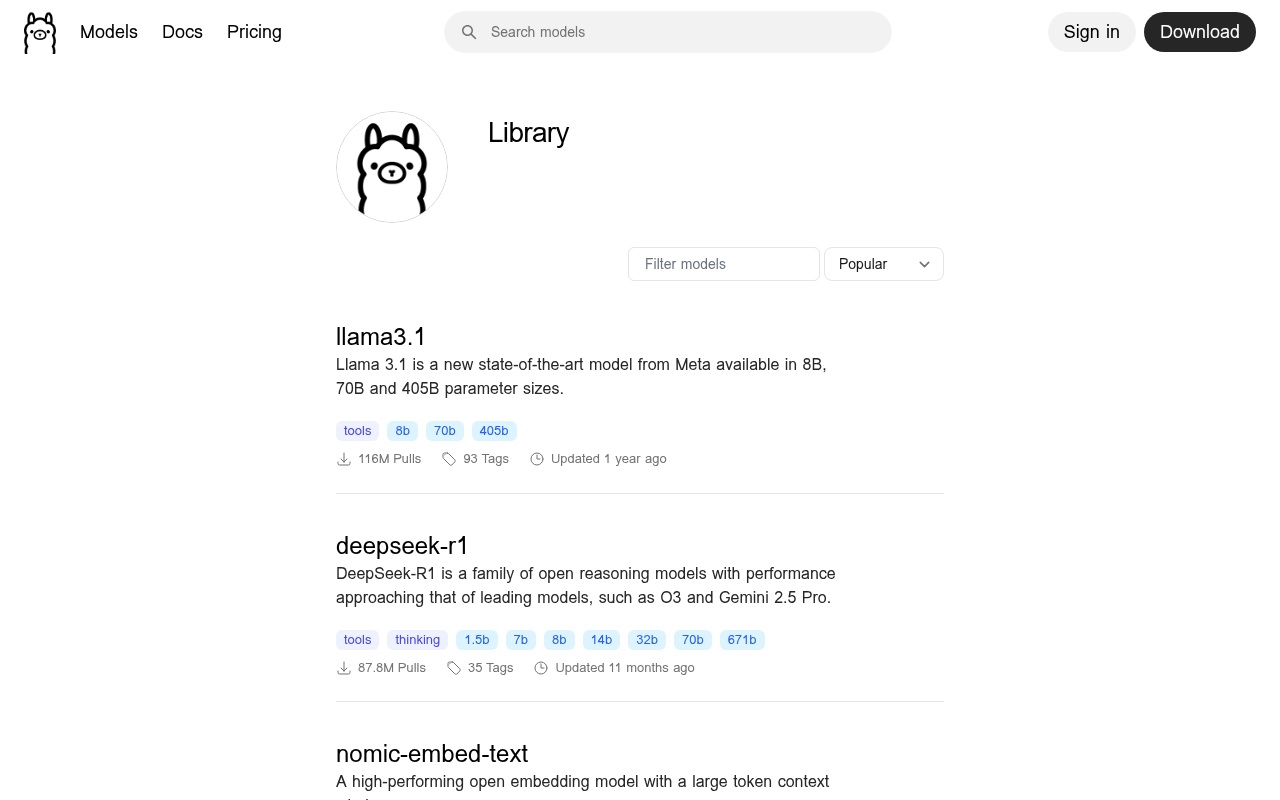
Why it matters: this is the single most common breakout in the whole set, ahead of any one launch channel.
Compound it
Keep posting on a regular cadence: build-in-public benchmark updates, milestone posts, day-of support for each major new model, earned tech press (71% landed at least one piece), and docs that rank in search.
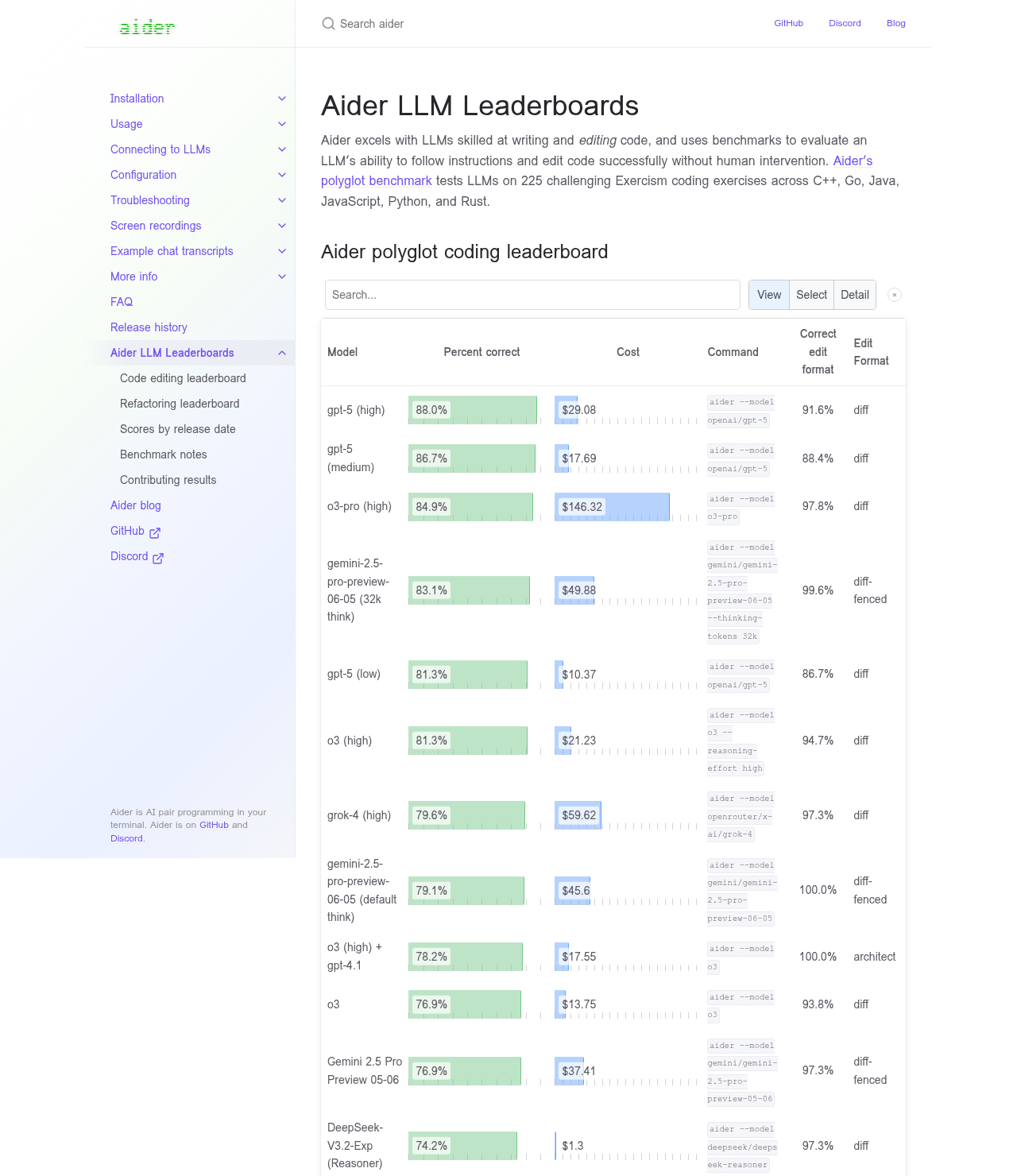
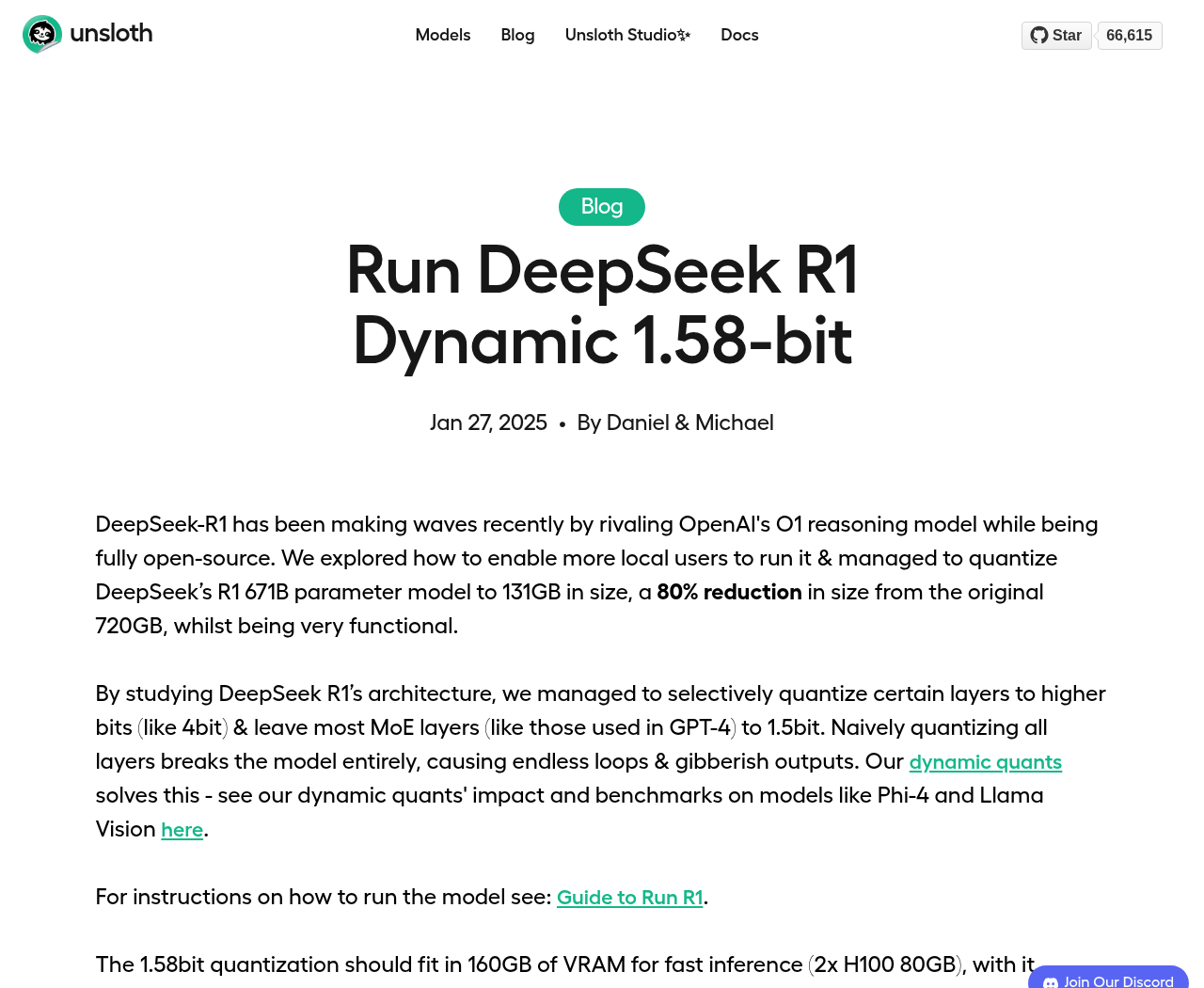
Why it matters: a steady cadence is what keeps attention after the launch spike fades.
Become default infrastructure
The end state a handful reached: own a format, a standard, or a leaderboard that the rest of the ecosystem builds around. These are moves a project can make, not outcomes it waits for.
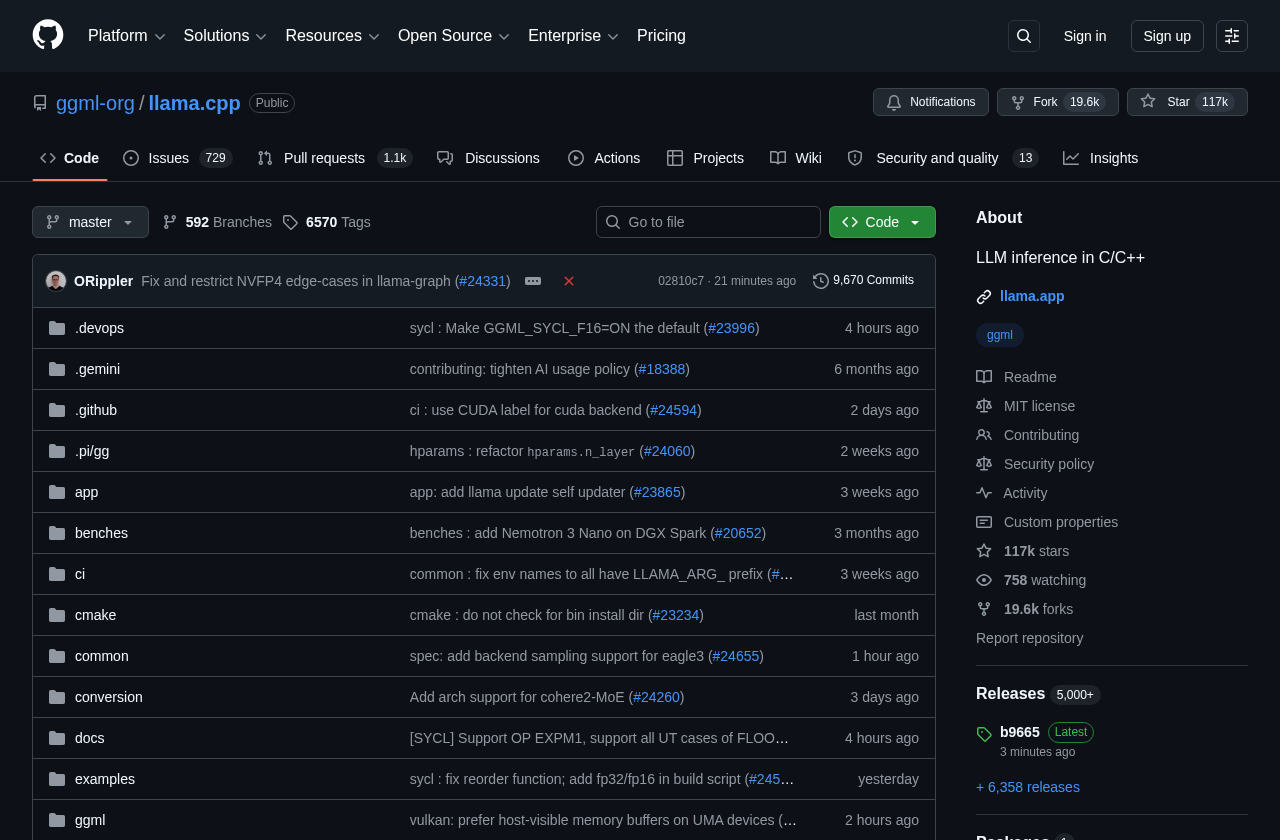
What this sets up: Brevis has no AI-space fame, so on-ramp B (the founder demo) is the weak one for us. The plan leans on on-ramps A and C plus the highway instead. Read it next.